 Back to Guides
Winter Energy Bills and Your Roof: The Insulation Connection


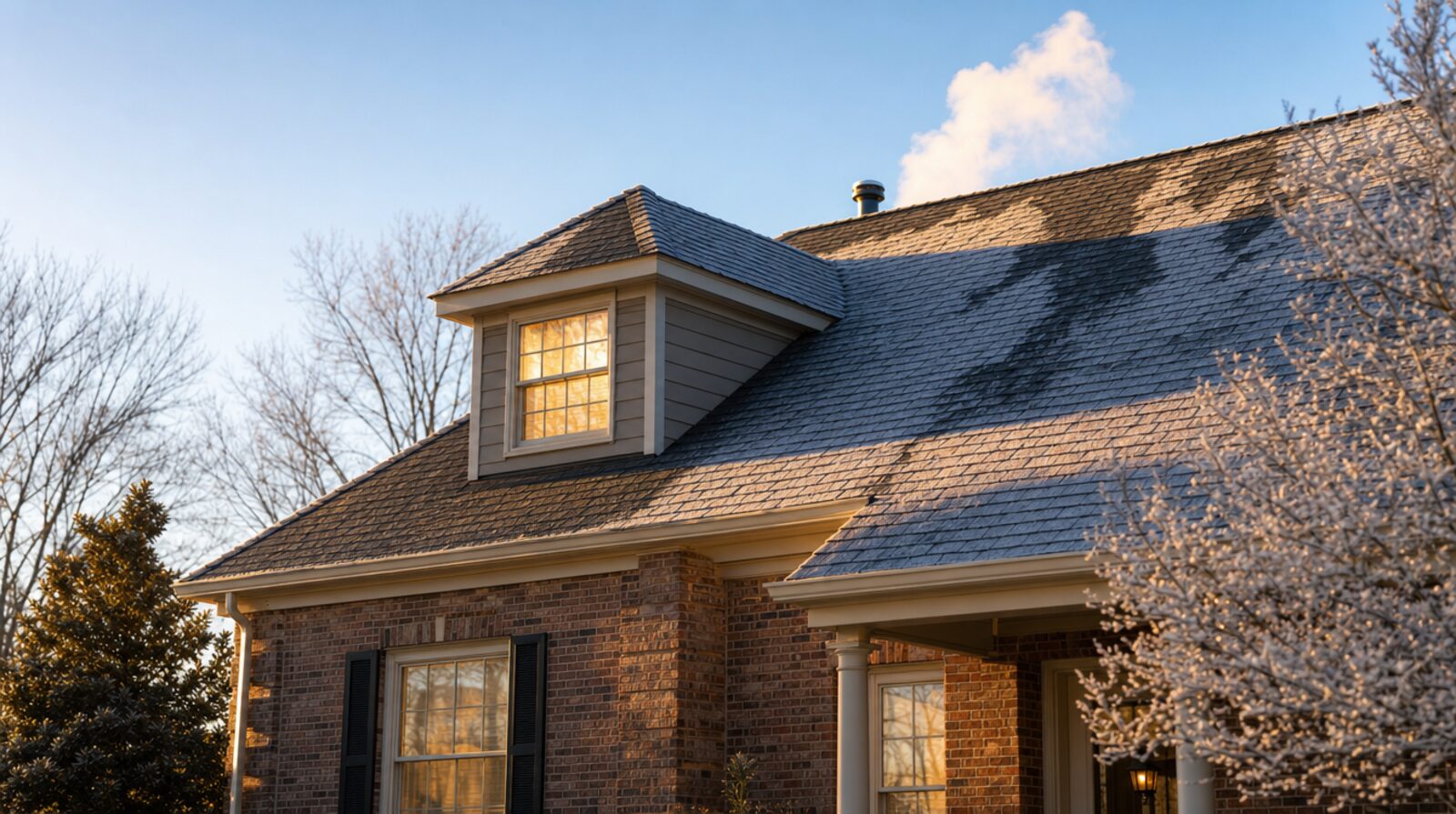
Every January we get calls from homeowners across Greensboro, High Point, and Winston-Salem asking the same question a different way: "Why is my heating bill so high, and is my roof to blame?" The honest answer is that your roof and attic system play a much bigger role in winter energy loss than most people realize. Shingles keep water out, but the assembly underneath them — insulation, ventilation, and air sealing — determines whether the heat you're paying for actually stays inside your house.
Heat Rises, and Your Attic Is the Exit Door
Warm air is naturally buoyant, and in a Piedmont winter it will find every gap, crack, and thin spot in your ceiling to escape through. Once that heat reaches the attic, an underinsulated or poorly ventilated attic lets it slip right through the roof deck. You feel the effects as a furnace that runs longer than it should, upstairs rooms that never quite warm up, and a power bill that climbs every time the temperature drops into the 20s.
The Piedmont Triad's climate zone typically calls for attic insulation in the R-38 to R-49 range, which usually translates to somewhere between 12 and 16 inches of blown-in fiberglass or cellulose, depending on the material. Many of the homes we inspect — especially those built before the 2000s — are sitting at half that depth or less. If you can see the tops of your ceiling joists poking up through the insulation when you look into the attic, you're under target.
- Grab a tape measure and a flashlight. Measure insulation depth at three or four spots in the attic, not just near the access hatch.
- Check for compression. Insulation that's been walked on, crushed by stored boxes, or matted down loses much of its R-value even if the depth looks fine.
- Look for daylight. Gaps around plumbing stacks, chimney chases, and the attic hatch itself are common heat-loss points that insulation alone won't fix — they need to be air-sealed first.
Ventilation Isn't the Enemy of Warmth — It's the Partner
Homeowners sometimes assume that sealing up attic vents will trap more heat and lower their bills. It's the opposite, and it can cause real damage. A balanced system of intake vents at the soffit and exhaust at the ridge is what keeps your attic at roughly outdoor temperature, which is exactly what you want in winter. When warm, moist household air leaks into a poorly ventilated attic, it condenses on the cold underside of the roof deck. Over a season, that moisture can soak insulation, feed mold growth, and rot the wood sheathing your shingles are nailed to.
There's also a structural side effect specific to our winters: uneven roof deck temperatures caused by heat escaping unevenly into the attic are one of the main drivers of ice damming when we get a freeze-thaw cycle. Snow melts over the warm spots, refreezes at the cold eaves, and backs up under the shingles. We don't see ice dams as often here as roofers up north do, but every Triad winter brings at least a few days cold enough to cause it on homes with poor attic ventilation.
A properly balanced attic needs roughly one square foot of net free ventilation area for every 300 square feet of attic floor, split evenly between intake and exhaust. If your soffit vents are painted shut or blocked by insulation stuffed too far into the eaves, the ridge vent above them isn't doing much good — air has to come in before it can go out.
What to Check From the Ground and From the Attic
You don't need to get on the roof to do a basic winter energy check. A walk around the house and a look in the attic will tell you most of what you need to know.
- Walk the perimeter after a light snow or hard frost. Uneven melting on the roof — bare patches next to frosted ones — usually means heat is escaping unevenly through the attic below.
- Check the attic hatch or pull-down stairs. These are notorious for having zero insulation and a poor seal. A simple weatherstripped, insulated attic cover can make a noticeable difference.
- Look at soffit and ridge vents from outside. Make sure they're clear of paint, debris, and nesting material.
- Feel for drafts around recessed lighting and ceiling fixtures. Older can lights are a common, often-overlooked source of attic air leakage.
- Note any dark streaking or staining on the roof deck if you're up in the attic — that's usually a sign of past moisture problems tied to ventilation, not necessarily a leak.
Where the Roof and the Insulation Job Meet
Insulation contractors handle the R-value side of this equation, but the roof itself sets the conditions for how well that insulation performs. Flashing that's failed around a chimney or skylight lets in moisture that ruins insulation from above. A roof deck with soft or rotted sections, often found during a re-roof, points to years of ventilation or moisture problems that a new layer of shingles alone won't solve. And any roofer worth hiring should be willing to talk with you honestly about what they see in your attic while they're up there — not just quote you a shingle price and move on.
If your energy bills have crept up over the past couple of winters and you haven't had anyone look at your attic insulation or ventilation in that time, it's worth having both checked together. They're two halves of the same system, and fixing one while ignoring the other rarely solves the problem. A cold house in January is usually telling you something specific about your roof — you just have to know where to look.
Stop Guessing on Price
Get precise measurements and a detailed price range for your specific roof right now using our AI technology. No home visit required.
Get my price